When a straight boom is the efficient choice
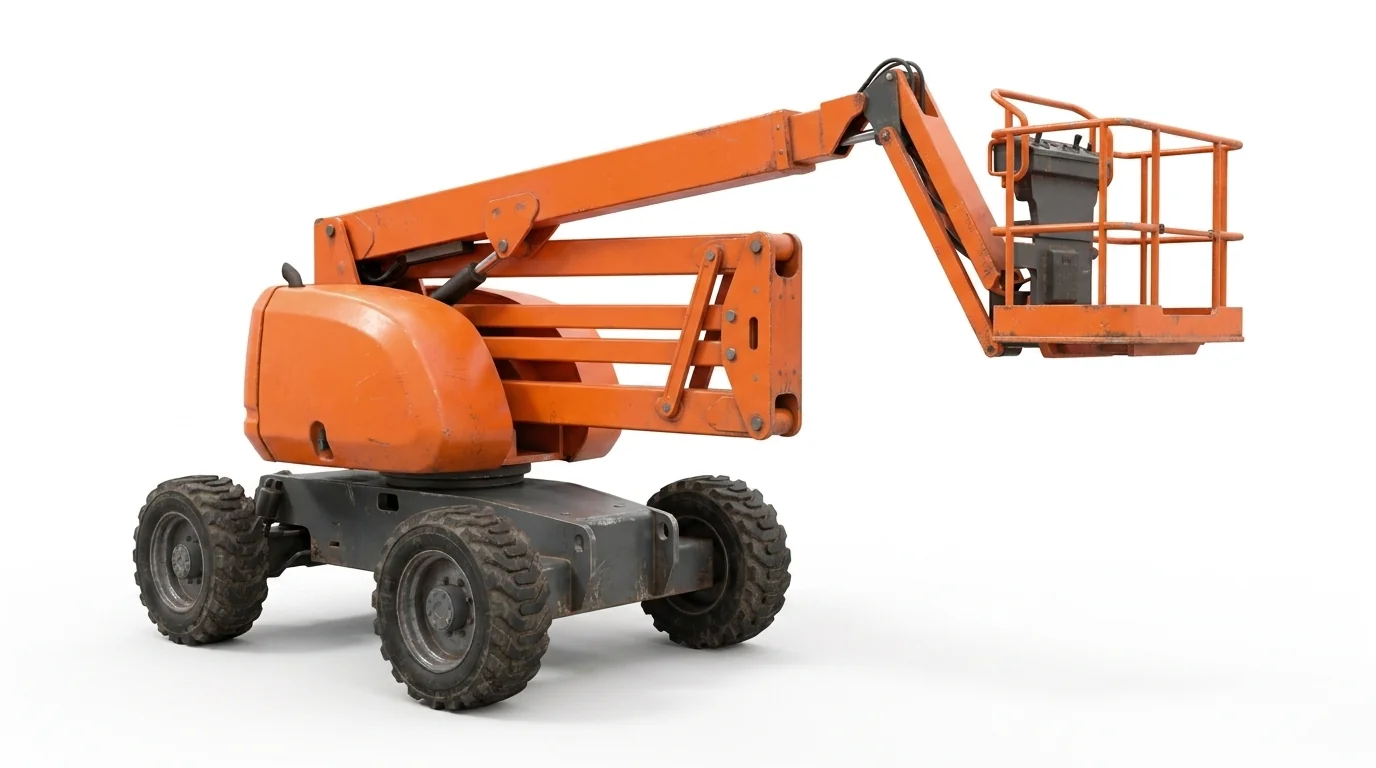
Telescopic booms deliver fast horizontal reach and higher travel speeds at height compared to jointed designs. They suit facade work, structural steel touch‑ups, and exterior MEP along long runs typical of local industrial sites.
Decide based on: - Can the base remain on a slab or compacted pad while the basket reaches the target? - Is the work path mostly linear, with few penetrations to navigate? - Do you need to step between distant points without bringing the boom down each time?
Local terrain and weather considerations
Richmond’s mix of slabbed distribution buildings and uneven yards means ground support can change quickly. After frequent summer downpours, edges of laydown areas may soften. For exterior tasks, prioritize rough‑terrain chassis and confirm the travel path is stable. For interior or near-emission‑sensitive areas, evaluate hybrid or electric options and slab load limits.
If obstacles block the approach, an articulating model from /articulating-boom-lift-rental/ may place the basket more precisely with less tail swing.
Reach, footprint, and swing
Key constraints for straight booms: - Horizontal reach vs. set‑back distance from the facade or target. - Tail swing and counterweight clearance near fencing or stored materials. - Ground slope at the parking point and along the travel route.
Richmond use cases
- Long panel caulking, signage, and facade inspection along tall walls.
- Lighting, camera, and utility work over truck courts where set‑back space exists.
- Yard work around equipment pads when you can stay on firmer ground.
Actual conditions, the selected unit’s instructions, and site procedures govern elevated work.
Related categories
- /boom-lift-rental/
- /aerial-lift-rental/
- /articulating-boom-lift-rental/
- /rough-terrain-scissor-lift-rental/