Defining the pick, carry, and place
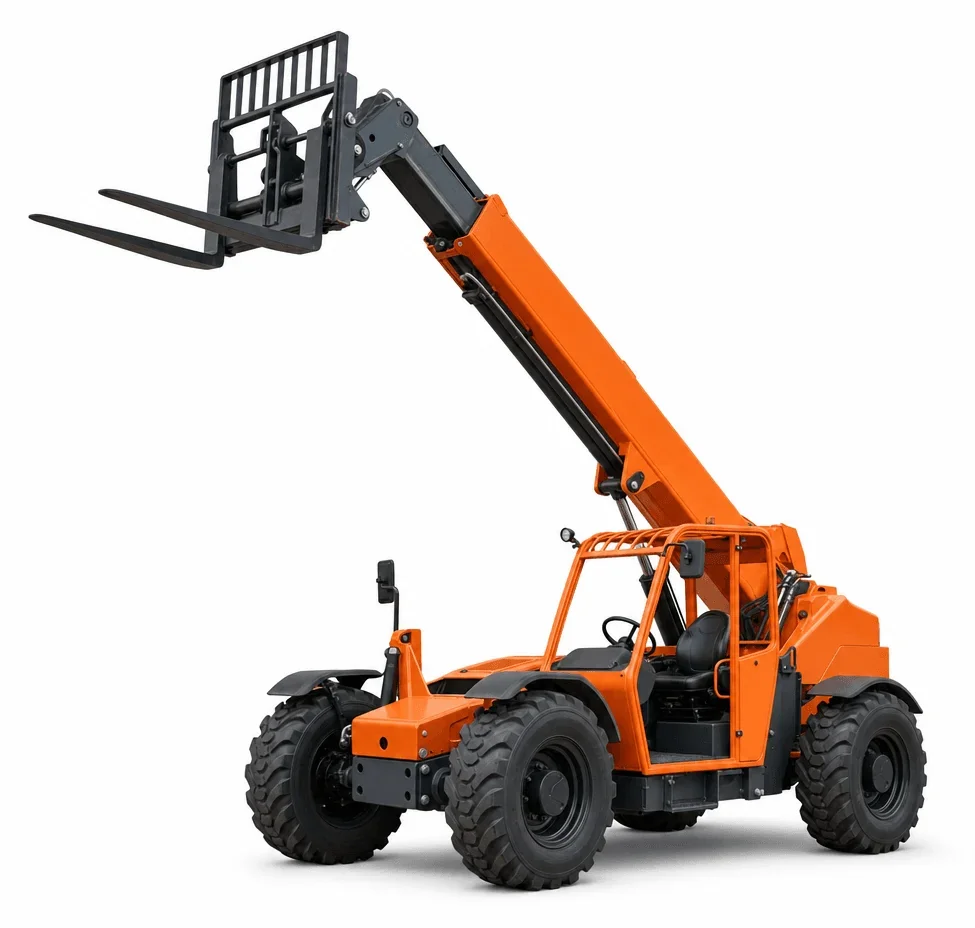
Telehandlers excel when you must lift, carry, and place loads beyond a curb, parapet, or dock edge. Start with: - Maximum load weight at the furthest placement point. - Lift height to clear racks, mezzanines, or facade edges. - Need for forks vs. approved attachments based on load form.
The load chart governs capacity as you extend. For long reaches into trucks or over barriers at local distribution buildings, confirm the required boom angle and extension where the placement actually occurs.
Richmond ground and approach factors
Projects here move between interior slabs and exterior yards that can soften after heavy rain. Approach routes often include dock ramps, threshold changes, and tight corners. These conditions influence tire type, steering modes, and whether stabilizers are useful for certain placements.
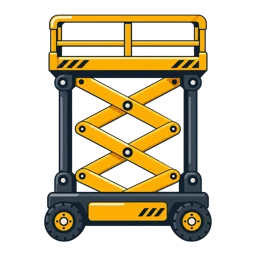
If the task is purely vertical access for people rather than material, /rough-terrain-scissor-lift-rental/ or /boom-lift-rental/ may be a better match.
Visibility and clearance in high-bay spaces
In tall racked aisles, sightlines and turning radii limit maneuvering. Check: - Aisle width vs. overall machine width and fork carriage swing. - Overhead clearance near sprinklers and lighting. - Floor loading compared to axle loads during dynamic turns.
Common Richmond use cases
- Setting rooftop units from a stable pad with clear outreach.
- Feeding pallets to mezzanine edges in active facilities during fit‑outs.
- Staging process equipment across mixed surfaces where a counterbalance forklift cannot reach.
Actual conditions, the selected unit’s instructions, and site procedures govern material handling at height.
Related categories
- /forklift-rental/
- /boom-lift-rental/
- /rough-terrain-scissor-lift-rental/
- /storage-containers-rental/
- /temporary-fencing-barricades-rental/