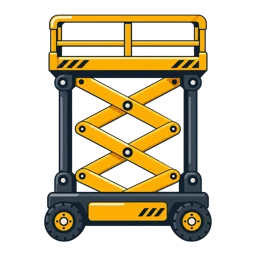
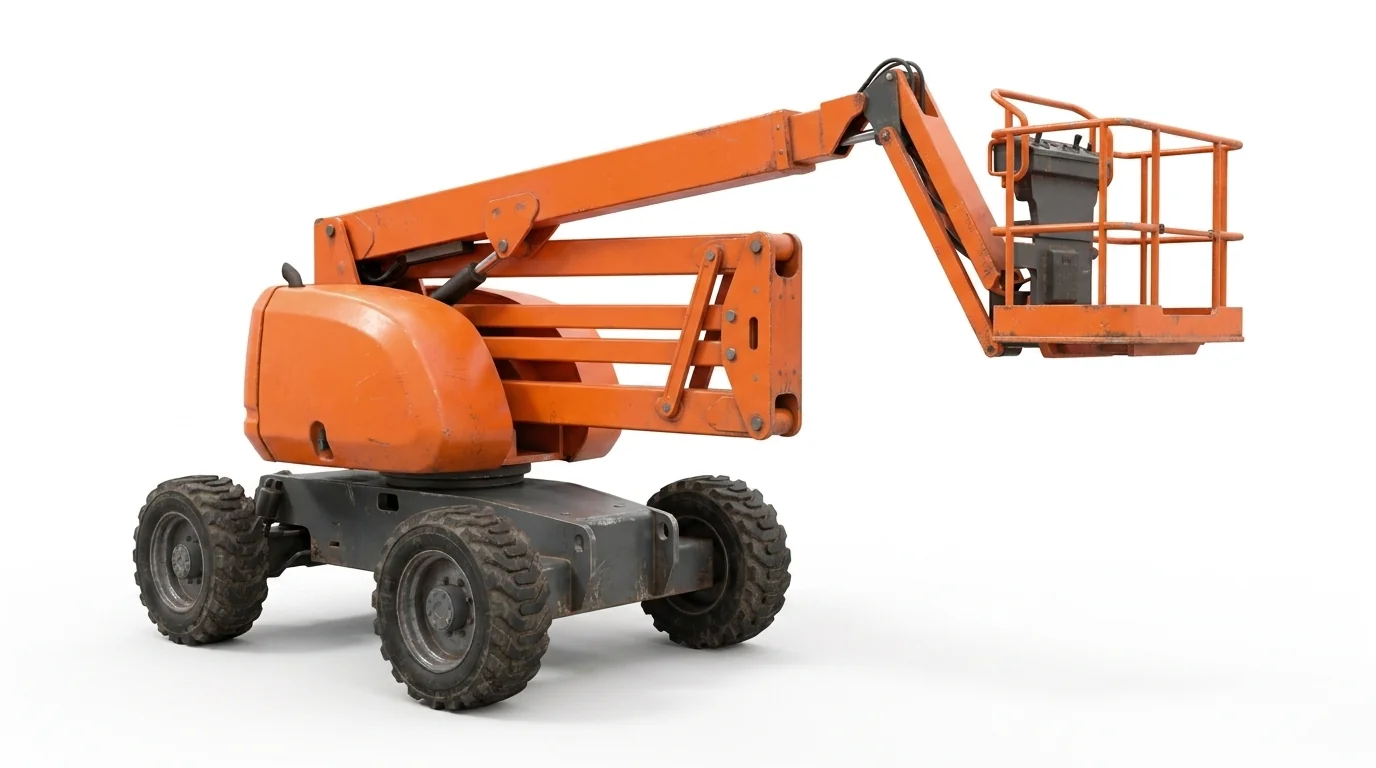
When an articulating boom fits the job geometry
Articulating booms place the basket by “breaking” around obstructions. If the work area includes racking, mechanical lines, or pipe bridges, the ability to move up, out, and back in reduces base movements. In tall process areas common around Richmond, the knuckle sections help thread between overheads while keeping the chassis away from sensitive equipment.
Consider: - Can the machine sit clear of production lines or parapets and still reach over them? - Is the approach path narrow, with door thresholds or mezzanine columns limiting swing? - Will you need to reposition at height around multiple pick points?
How Richmond conditions affect selection
Local sites transition from smooth warehouse slabs to mixed aggregate yards. After heavy summer downpours, soils near the Fall Line can hold water and slump at the edges of laydown areas. That pushes choice toward rough‑terrain chassis and appropriate tires for exterior staging, while electric or hybrid units suit interior maintenance where slab load and emissions matter.
- Interior high-bay maintenance: favor electric articulating models for tight turning and fume-sensitive spaces. See also /electric-scissor-lift-rental/ if straight-up access is sufficient.
- Outdoor service around loading aprons or equipment pads: look at rough‑terrain articulating units; if the task is purely vertical and on compacted ground, /rough-terrain-scissor-lift-rental/ may be more efficient.
Working envelope and clearance
Articulating booms trade some horizontal reach for precise placement. Check: - Platform height and up‑and‑over clearance relative to the highest obstacle, not just the final work point. - Tail swing and counterweight clearance near columns, racks, or fencing. - Gate widths and floor loading from the staging route to the work area.
Articulating vs. telescopic in Richmond’s industrial mix
For long facade runs or wide yard lighting work, a straight boom from /telescopic-boom-lift-rental/ covers distance faster. For congested fit‑outs, conveyors, and valve galleries found in local advanced manufacturing, articulated joints shorten the base footprint and reduce travel on sensitive slabs.
Actual conditions, the selected unit’s instructions, and site procedures govern work at height.
Related categories
- /boom-lift-rental/
- /aerial-lift-rental/
- /telescopic-boom-lift-rental/
- /rough-terrain-scissor-lift-rental/