Load, lift, and route define the class
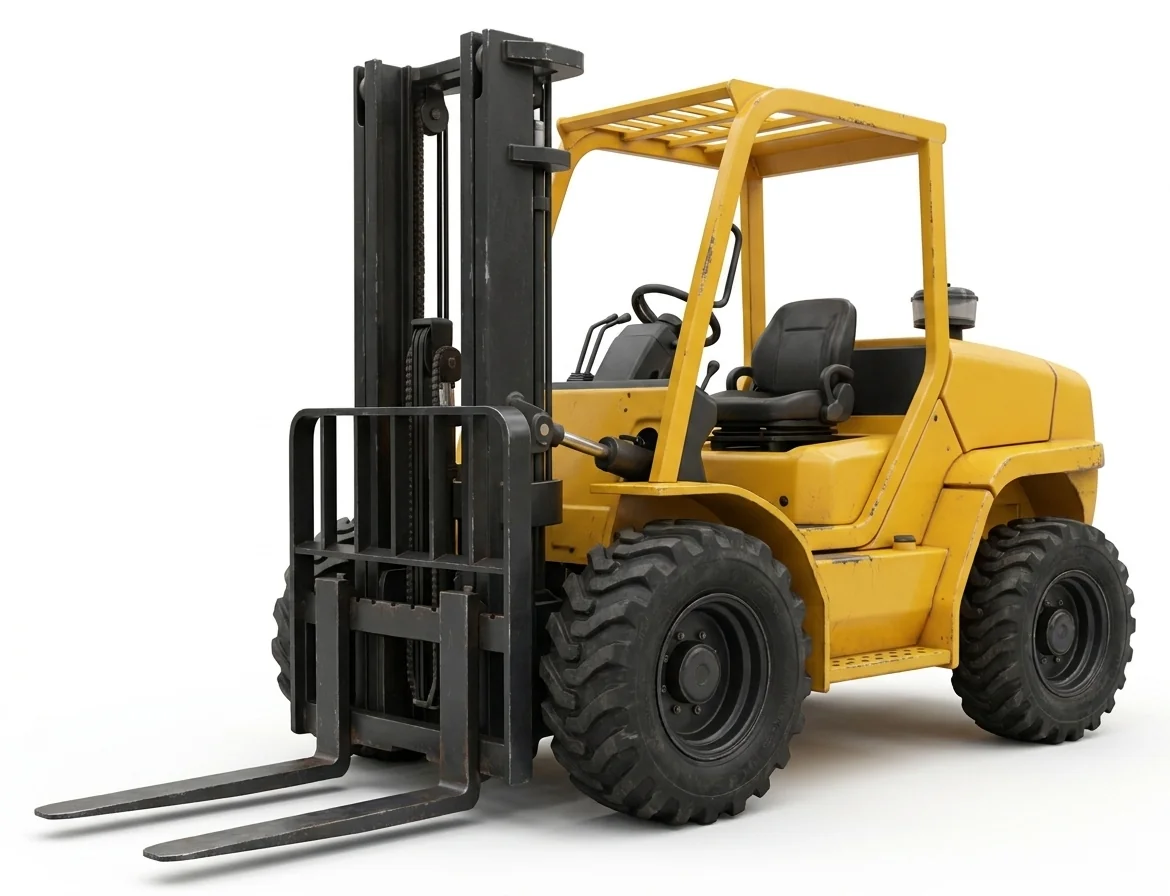
Start with the maximum pallet or component weight and the height it must reach. Next, trace the entire route: docks, thresholds, ramps, and any transitions between slab and exterior pads. If every move is on smooth interior floors, cushion‑tire or electric counterbalance units are typical. If the path includes rough approaches, a pneumatic‑tire unit may be required.
Richmond conditions to account for
Frequent summer downpours can leave yard edges soft, especially near drainage paths. If staging outside, verify ground support and avoid planning lifts from unstable edges. Interior aisles in high-bay facilities can be tight; reach trucks or narrow‑aisle designs may reduce turning requirements, provided floors and rack layouts allow it.
If placement must occur beyond a curb or parapet, a telehandler from /telehandler-rental/ may fit better than a counterbalance forklift.
Aisle width and turning
Measure the narrowest aisle and compare to the truck’s right‑angle stack and overall length with load. Overhead obstructions—sprinklers, conduit, and low mezzanines—can limit mast tilt or lift heights.
Power sources and emissions
For interior work near sensitive processes, electric forklifts avoid exhaust and reduce noise. For mixed indoor/outdoor travel or longer shifts, internal combustion units can be practical, provided ventilation and site rules support them.
Actual conditions, the selected unit’s instructions, and site procedures govern material handling.
Related categories
- /telehandler-rental/
- /storage-containers-rental/
- /temporary-fencing-barricades-rental/