Start with access geometry
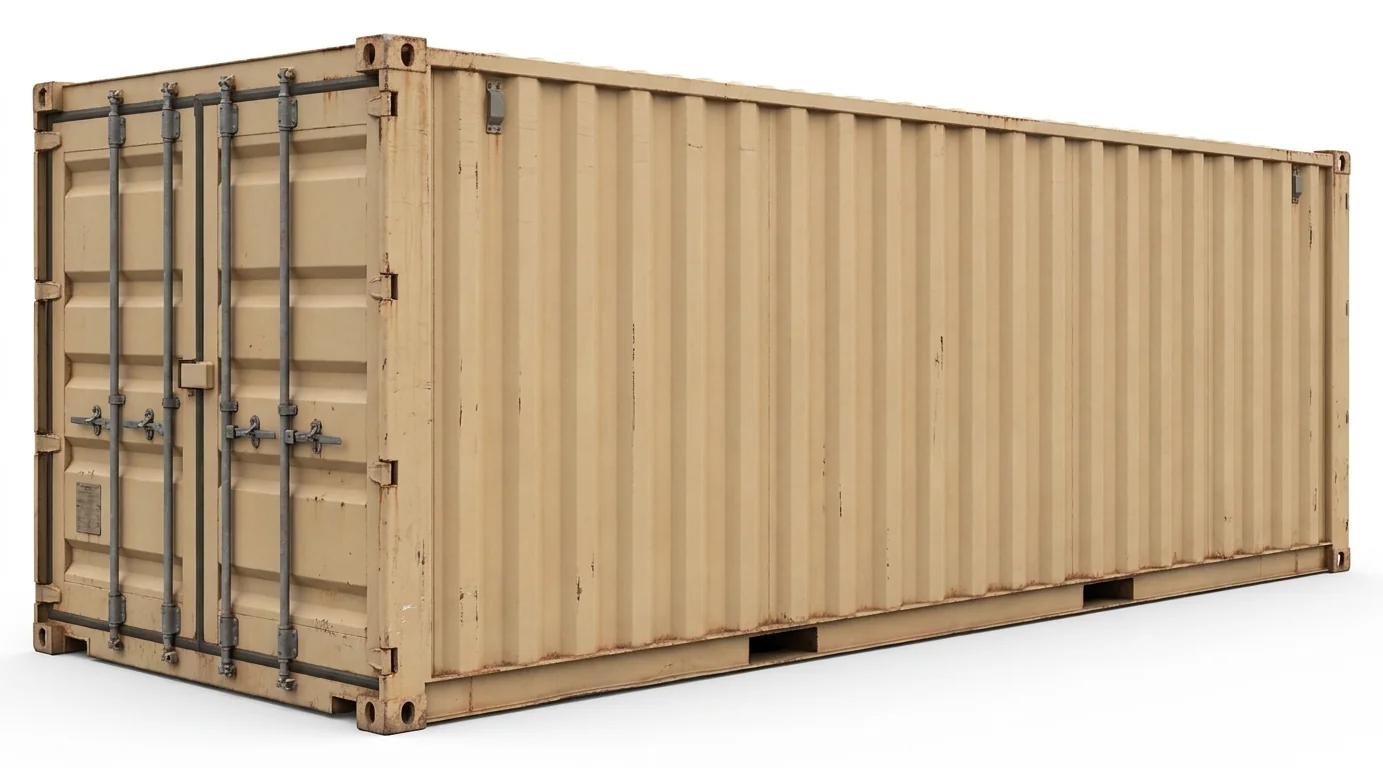
Storage only works if crews can get in and out without blocking lifts or deliveries. Map the door swing and ramp position against aisle widths and turning paths for scissor lifts, booms, and forklifts.
Key checks: - Will doors face the shortest, driest route from the work zone? - Is there enough apron space for a forklift to approach straight-on? - Can the unit sit below the task area without intersecting egress or fire lanes?
Surface and drainage in Richmond conditions
The shift from coastal plain to rolling ground means subtle slopes and uneven pads are common. After frequent downpours, soil may settle under the container corners, racking doors and creating pinch points. On paved yards, pooled water at low spots increases corrosion risk and hampers access ramps. A level, well-drained pad preserves door alignment and keeps materials accessible during wet spells.
Sizing and layout decisions
- Volume vs. reach: larger containers reduce restocking trips but may crowd narrow aprons.
- Single vs. paired: two smaller units can split high-value and bulky items, shortening internal search time.
- Interior arrangement: long items near doors, smaller items mid-bay to keep the entry clear for quick turns.
Interaction with lift equipment
Where electric scissor lifts move materials inside, container placement should not narrow slab aisles or block charging areas. In exterior staging for rough-terrain lifts or telehandlers, allow a straight approach and space to set forks without twisting on soft ground. Related planning pages: - Indoor slab access: /electric-scissor-lift-rental/ - Yard or undeveloped ground: /rough-terrain-scissor-lift-rental/ - Material placement at height: /telehandler-rental/ and /forklift-rental/
Richmond’s industrial pace
With active manufacturing and logistics fit-outs, sites often cycle tools quickly across shifts. Containers near high-bay doors reduce travel time but add congestion during morning receivables. Balance proximity with clear sightlines for trucks and lifts.
Actual conditions, equipment instructions, and site procedures govern placement and access.