Quick decision path
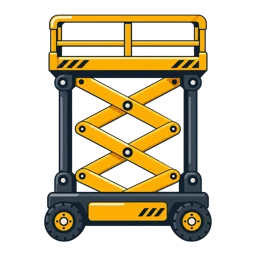
- Platform can sit below task on smooth concrete: consider electric scissor lifts at /electric-scissor-lift-rental/.
- Platform can sit below task on unfinished or uneven ground: review rough‑terrain scissors at /rough-terrain-scissor-lift-rental/.
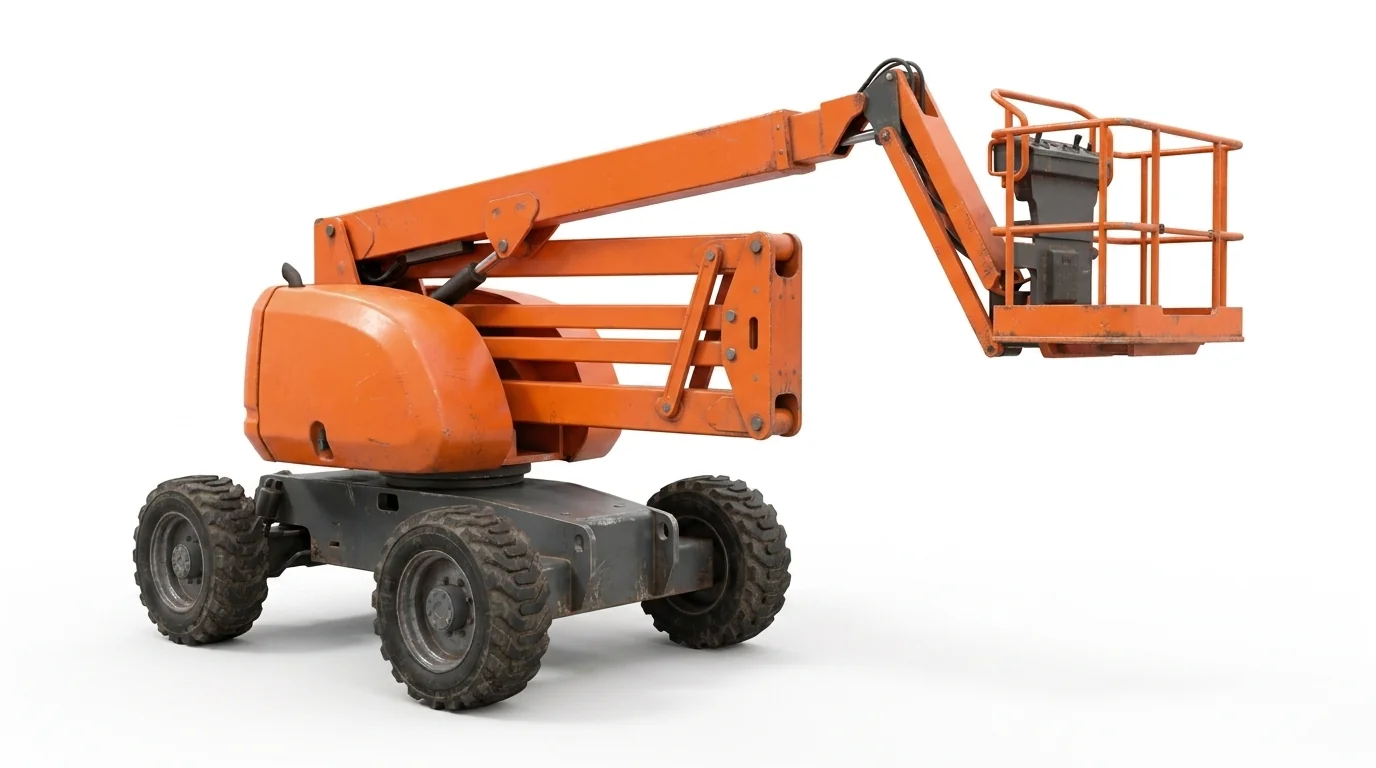
- Task sits behind obstacles, over equipment, or across setbacks: compare booms at /boom-lift-rental/.
Local factors that change the choice
- High-bay interiors in local distribution and manufacturing sites reward compact, low‑emission equipment that fits tight aisles and leaves floors unmarked.
- Outdoor work faces soft ground and drainage channels after storms; ground clearance and tire selection become limiting factors.
- Older commercial structures may require narrow access through alleys or courtyards, making machine width and turning radius decisive.
Measurements to collect
- Platform height and any horizontal reach needed.
- Maximum machine width and stowed height along the access route.
- Surface type from staging to work face and any slopes or thresholds.
Where each category excels
- Electric scissor: lighting, racking, and MEP tasks on slabs.
- Rough‑terrain scissor: façade, site utility, and exterior install work where a straight vertical rise is possible.
- Articulating boom: up-and-over tasks around ducts, tanks, or parapets.
- Telescopic boom: long, straight reach where the approach is clear.
Conditions and procedures
Actual conditions, the selected unit’s instructions, and site procedures govern elevated work. Recheck routes after heavy rain and confirm floor readiness before interior equipment moves.