Determine if vertical access is feasible
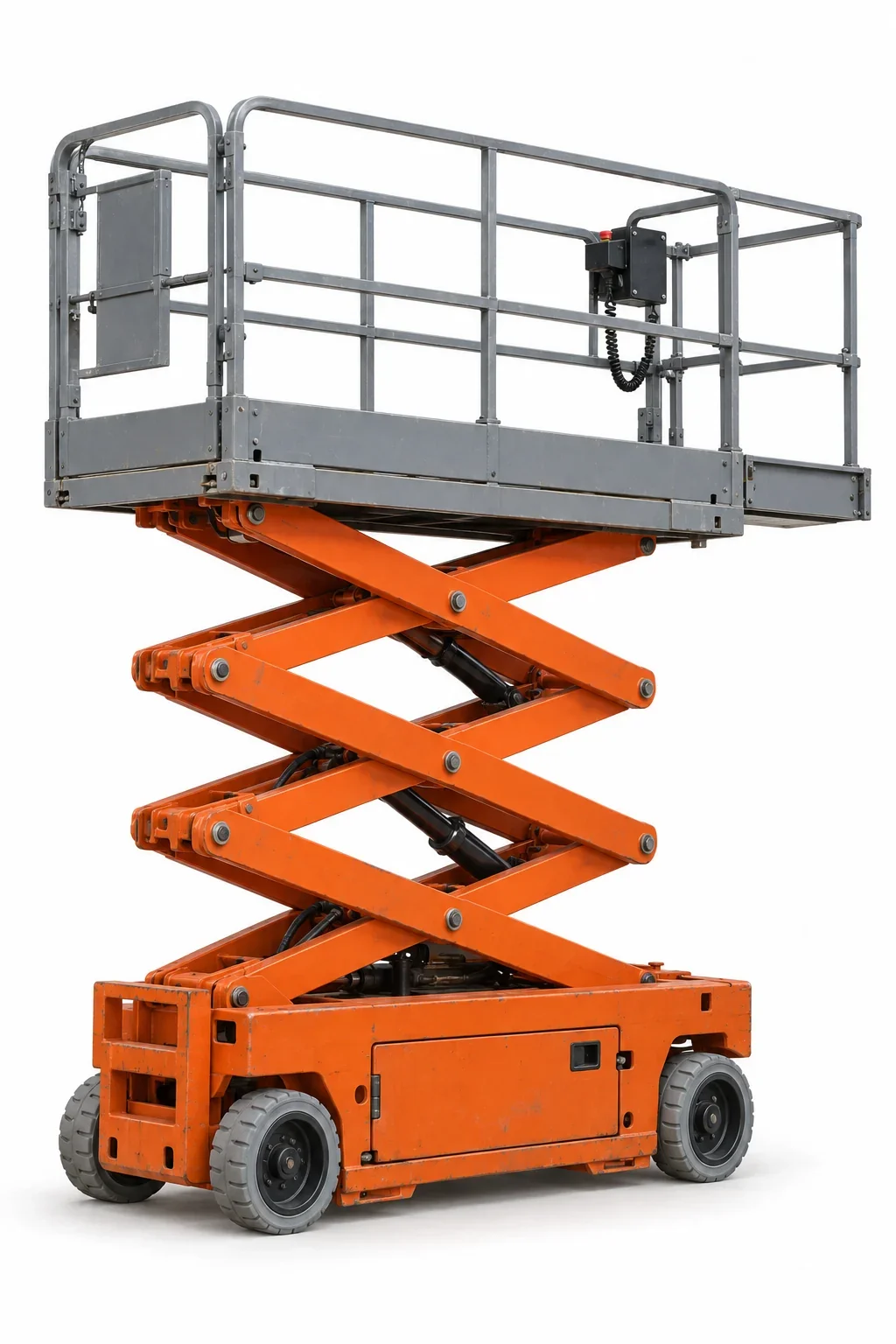
- Can the lift park below the task without needing outreach? If yes, a rough‑terrain scissor may fit.
- Are there setbacks, utilities, or fencing that block a straight approach? If so, compare booms at /boom-lift-rental/.
Richmond terrain and weather considerations
- The Fall Line setting produces transitions from flat lots to rolling sections; approaches may include slopes, ruts, or gravel.
- Frequent precipitation can soften laydown areas and affect drainage; wider tires and increased ground clearance help reach the work zone.
Measurements that guide selection
- Required platform height and any platform capacity needs.
- Site slope along the approach and at the final parking position.
- Gate widths, curb cuts, and temporary surfaces like mats or stone lifts.
Common use cases
- Exterior cladding, glazing prep, and canopy work at commercial sites.
- Site lighting, signage, and conduit runs where the platform can rise near the pole line.
- Mechanical tie‑ins along building perimeters before final paving.
When a different lift is better
- If the task sits behind landscaping, equipment, or setbacks, an articulating or telescopic boom may be needed. See /aerial-lift-rental/ and /boom-lift-rental/.
Safety and procedures
Actual conditions, the selected unit’s instructions, and site procedures govern exterior work. Assess ground after rain events and verify access routes before moving equipment into position.