Start with the power path and light geometry
Identify whether generators and towers will sit below, beside, or inside the work area. In local distribution buildings and manufacturing fit-outs, long cable runs across polished slab introduce trip and load concentration points. Outside, staging often sits on compacted soil that can soften after rain. That difference changes how you route cords, ground the unit, and select light mast height to clear racking, duct, and pipe.
Key geometry checks: - Can the unit stay outside the egress path? If not, ventilation and vibration on finished slab matter. - Do cables cross lift aisles used by scissor or boom equipment? Map crossings with the narrowest span. - Will light need to clear high-bay storage or mechanical drops? Taller masts reduce shadowing but raise wind exposure.
Richmond terrain and weather considerations
The Fall Line location means a quick shift from flat slab to rolling, drainage-prone staging. After frequent downpours, soil can pump under wheel loads, changing how a generator or light tower sits over a shift. On paved aprons, standing water and reflective glare affect tower placement and aiming. Indoors, humid summers increase heat load; noise and exhaust concerns push generators outside the envelope, adding cable length and voltage drop to the plan.
Narrowing generator specs
- Load profile: note starting surges for material handling chargers and HVAC tools common during fit-out.
- Duty cycle: overnight concrete cure, shift-based lighting, or continuous commissioning all suggest different tank sizes and refuel windows.
- Access route: measure gate width, turning radius, and slope from street to pad. Soft approaches after rain may restrict towable units.
Narrowing light tower specs
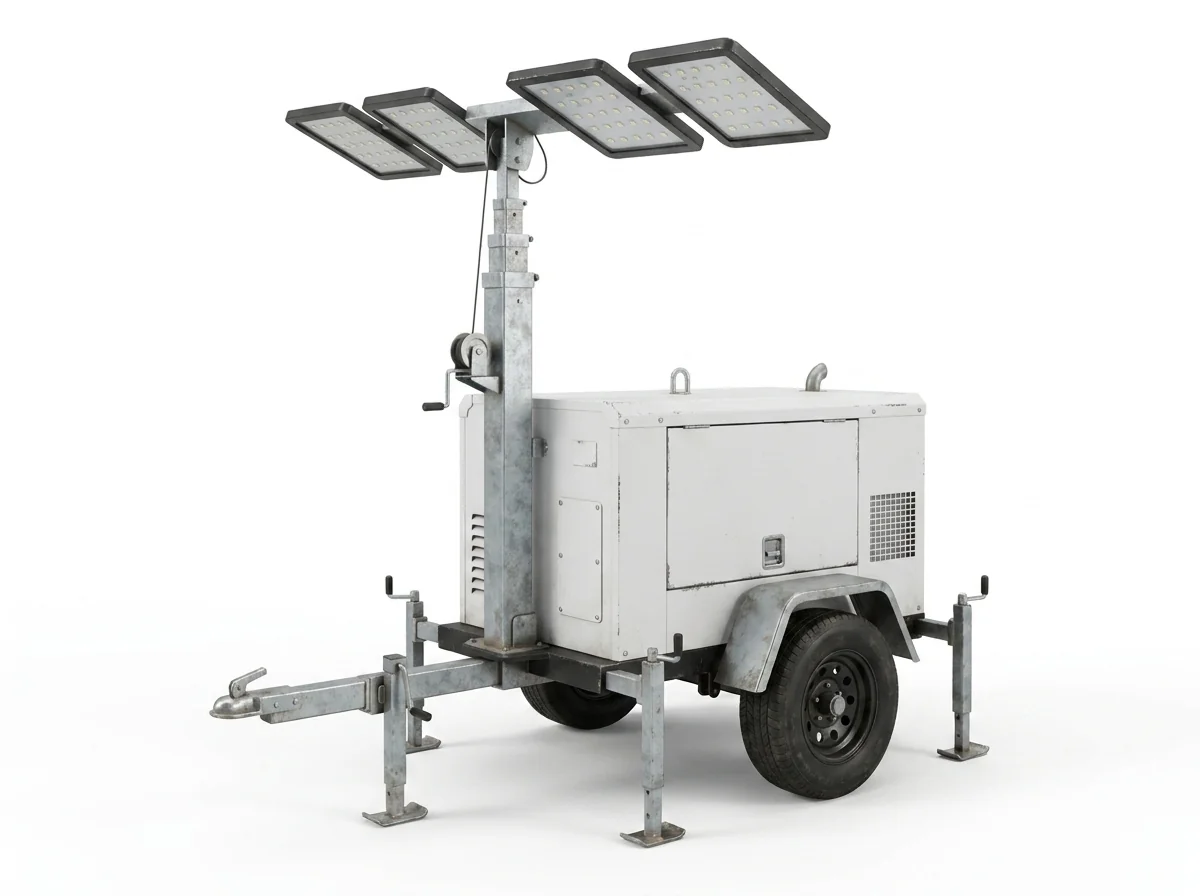
- Mounting height vs. obstructions: racking, temporary duct, and mezzanines cast deep shadows if the mast is too low.
- Spill control: adjacent roadways and nearby work areas may require tighter beam control.
- Power source: shared with a generator bus or standalone. Combined setups change cable management and grounding points.
Coordination with lifts and material handling
Where scissor or boom lifts will work under high-bay ceilings, light towers should avoid backlighting operators at height. If indoor work dominates, reference lift categories to understand aisle widths and turning space that towers must not block: - Electric slab work: /electric-scissor-lift-rental/ - Rougher exterior work or yards: /rough-terrain-scissor-lift-rental/ - Overhead MEP access: /boom-lift-rental/ and /articulating-boom-lift-rental/
Actual site conditions, equipment instructions, and procedures govern placement and operation.
When industrial schedules tighten
Large-scale buildouts in Richmond often stack trades overnight. That drives parallel demands on power and lighting across multiple bays. Plan for segmented circuits and light zones so one area can power down without halting adjacent work.